
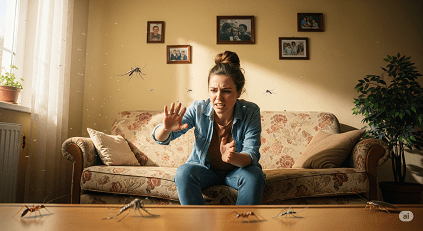
Ever feel like your living space is playing host to uninvited, multi-legged guests? From the relentless march of ants across countertops to the buzzing nuisance of mosquitoes on summer evenings, common household pests are a universal annoyance. While professional pest control services are always an option, a proactive approach to self-management of pests can save you money, protect your family’s health, and keep your home truly yours.
At FixItNow.blog, we believe in empowering you with practical solutions. This comprehensive guide will walk you through understanding common household pests, implementing effective pest prevention strategies, and trying safe, DIY pest control methods before reaching for costly professional services. Learn how to get rid of pests at home and create a healthier, pest-free environment.

Identify Your Enemy: Common Household Pests & Their Threats
Before you can fix the problem, you need to know your adversary! Effectively identifying pests is the first step in successful home pest control. Here are some of the most common pests you’ll encounter and why you need to manage them:
- Cockroaches: These resilient insects are often found in kitchens and bathrooms. They are known carriers of bacteria and allergens, posing significant health risks.
- Mosquitoes: More than just an itchy bite, mosquitoes transmit serious diseases like dengue, malaria, Zika, and West Nile virus. They thrive in stagnant water.
- Ants: Often found foraging in organized trails, ants are attracted to food spills and crumbs. While usually harmless, they can contaminate food and become a nuisance.
- Flies: Attracted to food and waste, flies can spread germs rapidly from contaminated surfaces to your food.
- Rodents (Rats & Mice): These destructive chewers contaminate food, damage property (wiring, furniture), and are carriers of various diseases, including hantavirus and leptospirosis. Rodent control is crucial for health and safety.
- Bed Bugs: Tiny, nocturnal blood-suckers that cause itchy, irritating bites. Bed bug treatment at home is challenging due to their elusive nature and rapid reproduction.
- Termites: Known as “silent destroyers,” termites can cause extensive and costly structural damage to wooden components of your home before you even notice them. Termite prevention for residential properties is key.
- Spiders: While many common house spiders are harmless and eat other insects, some species can be venomous, and their webs are unsightly.
Proactive Defense: Essential Pest Prevention Tips for Your Home
The most effective self pest management strategy starts with prevention. By eliminating food, water, and shelter sources, you make your home far less appealing to pests. Implement these pest prevention tips to fortify your home:
- Impeccable Home Hygiene & Food Storage:
- Kitchen & Dining: Wipe down countertops, stovetops, and dining tables daily. Never leave dirty dishes in the sink overnight.
- Airtight Food Containers: Store all food items, especially grains, sugar, cereals, and opened packets, in sealed, airtight containers. This is critical for deterring ants, cockroaches, and rodents.
- Regular Cleaning: Vacuum and mop floors regularly, paying special attention to areas under furniture, behind appliances, and in corners. Promptly remove cobwebs and dust from high and low places.
- Smart Waste Management: Use tightly sealed trash bins indoors and empty them frequently. Ensure outdoor bins are secured with tight lids and kept away from home entry points.
- Seal All Entry Points & Fortify Your Perimeter:
- Inspect & Seal Gaps: Routinely inspect your home’s foundation, walls, and areas around pipes, electrical conduits, doors, and windows for any cracks, holes, or gaps. Seal these openings using caulk, steel wool, or appropriate fillers.
- Window & Door Screens: Install and maintain well-fitting screens on all windows and doors. Promptly repair any tears or holes to prevent flying insects.
- Door Sweeps & Weatherstripping: Install door sweeps or weatherstripping under all exterior doors to block crawling pests.
- Eliminate Moisture & Standing Water Sources:
- Fix Leaks Promptly: Repair any leaky taps, pipes, drains, or roof leaks immediately. Pests like cockroaches, mosquitoes, and silverfish thrive in damp environments.
- Address Standing Water: Regularly check and empty water from plant saucers, discarded containers, clogged gutters, and any other outdoor areas where water can accumulate. Proper drainage around your property is essential for mosquito control and preventing breeding grounds.
- Ensure Ventilation: Adequate ventilation in kitchens, bathrooms, basements, and attics helps reduce humidity, making these areas less attractive to moisture-loving pests.
- Strategic Outdoor Maintenance:
- Trim Vegetation: Keep shrubs, bushes, and tree branches trimmed and away from your house walls and roof. Overhanging branches can serve as bridges for rodents and insects.
- Clear Yard Debris: Remove piles of leaves, firewood (store at least 20 feet away from the house), rocks, and other debris from your yard, as these provide ideal hiding spots for pests.
DIY Pest Control: Safe & Effective Natural Pest Remedies & Solutions

For minor infestations, these natural pest remedies and eco-friendly pest control methods can be surprisingly effective. Always test on a small, inconspicuous area first, especially for surfaces, and ensure safety around children and pets.
- For Ants:
- White Vinegar Solution: Mix equal parts white vinegar and water. Spray directly on ant trails and entry points. It disrupts their scent trails.
- Baking Soda & Sugar Trap: Create small piles of equal parts baking soda and powdered sugar near ant trails. Ants are attracted to sugar, and the baking soda is harmful to them.
- Lemon or Orange Peels: Place fresh citrus peels near ant entry points; ants dislike the scent.
- For Cockroaches:
- Boric Acid Dust (Use with Caution!): Mix a very small amount of boric acid powder with a bait like sugar or flour. Lightly dust in hidden, undisturbed areas like behind appliances or under sinks. Keep absolutely out of reach of children and pets. This is a powerful cockroach killer DIY.
- Bay Leaves: Place dried bay leaves in cupboards and drawers; cockroaches are repelled by their scent.
- Dish Soap & Water Spray: A simple spray of soapy water can suffocate roaches on contact.
- For Mosquitoes:
- Essential Oil Diffusers/Sprays: Diffuse or spray diluted essential oils like citronella, eucalyptus, peppermint, or lemongrass around your home.
- Fans: Use strong fans in outdoor sitting areas or indoors to deter mosquitoes from landing.
- Coffee Grounds (Outdoor): Sprinkle used coffee grounds on small puddles of stagnant water where mosquitoes might breed. The grounds deprive larvae of oxygen.
- For Rodents:
- Peppermint Oil Balls: Soak cotton balls in peppermint essential oil and place them in areas where rodents are suspected (cupboards, behind appliances).
- Seal Entry Points: This is the most crucial step for rodent control.
- Snap Traps: For existing problems, traditional snap traps can be effective (use peanut butter as bait).
- For Flies:
- Apple Cider Vinegar Trap: Fill a jar with apple cider vinegar, a few drops of dish soap, and cover with plastic wrap with small holes. Flies will be attracted and trapped.
- Herbs: Plant basil, mint, or lavender near entryways as natural repellents.
- For Bed Bugs:
- High Heat: Wash all infested bedding and clothing in hot water and dry on the highest heat setting. Steam cleaning mattresses and furniture can also help.
- Vacuuming: Thoroughly vacuum mattresses, carpets, and cracks daily, immediately emptying the vacuum bag/canister outside.
- Professional Help: For bed bug treatment at home, severe infestations almost always require professional pest control due to their resilience.
When Professional Pest Control is the Best Solution
While self-management of pests empowers you significantly, some situations warrant expert intervention. Knowing when to call a professional can save you time, effort, and prevent larger issues. Consider contacting a professional pest control service if:
- The Infestation is Severe: You’ve tried various DIY pest control tips and are still seeing a large number of pests consistently.
- Pests Are Destructive or Dangerous: This includes termites (which can cause severe structural damage), bed bugs (notoriously difficult to eliminate completely without specialized knowledge), or any suspected venomous spiders or aggressive rodents that pose a direct threat.
- The Problem Persists: Your diligent home pest control efforts aren’t yielding long-term results, and pests keep returning.
- Safety Concerns: You’re dealing with pests in hard-to-reach areas, require strong chemicals that are best handled by trained professionals, or you’re uncomfortable with the methods.
- Pests are Spreading Diseases: If you suspect a pest problem is directly linked to an illness.
Self-management of pests is an ongoing commitment to hygiene, vigilance, and smart preventative measures. By incorporating these practical pest prevention tips and DIY solutions into your daily routine, you’ll create a healthier, more comfortable living environment for your family. Remember, a clean, well-maintained, and properly sealed home is your first and best defense against those unwanted guests!
What are your go-to DIY pest control tips that have worked for you? Share your experiences and questions in the comments below – let’s fix pest problems together!
 Fix it NOW