

Welcome back to fixitnow.blog, where we demystify technology to help you make smarter choices! In today’s hyper-connected world, your mobile phone is more than just a gadget – it’s your camera, office, entertainment hub, and primary connection to the world. But with countless models flooding the market, all boasting dazzling features, selecting the right mobile phone can feel like navigating a maze.

Are you an avid photographer, a mobile gamer, a productivity powerhouse, or simply looking for reliable communication? Your perfect phone exists, and we’re here to help you find it. Forget the overwhelming specs and confusing jargon; this ultimate smartphone buying guide will break down everything you need to consider. Let’s make that smart decision, together!
1. Setting Your Budget: The Crucial First Step
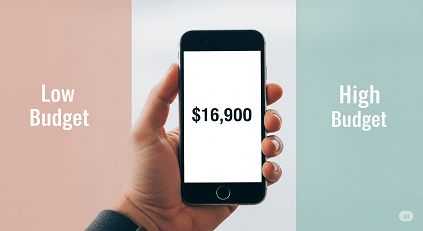
Before you even start dreaming about sleek designs and advanced cameras, define your budget. This immediately narrows down your options and prevents “sticker shock.” Mobile phones span a vast price range, from very affordable models to ultra-premium devices.
- Entry-Level (Typically under $200 USD equivalent): Great for basic communication, social media, and light Browse. Focus on essentials like decent battery life and core functionality.
- Mid-Range (Typically $200 – $500 USD equivalent): Offers a fantastic balance of features and price. You’ll find good cameras, smoother performance, and better displays here, making them excellent value.
- High-End / Flagship (Typically $500+ USD equivalent): For those who want the absolute best in camera quality, cutting-edge processing power, premium build materials, and the very latest innovations.
Remember to factor in accessories like cases, screen protectors, and possibly extended warranties when setting your overall budget!
2. Choosing Your Operating System: iOS vs. Android
This is often the biggest decision, shaping your overall user experience and ecosystem.
- iOS (Apple iPhones):
- Pros: Known for its intuitive, user-friendly interface, robust security, seamless integration with other Apple devices (Macs, iPads, Apple Watch), excellent app quality, and long-term software support/updates.
- Cons: Less customization, generally higher price points, a more closed ecosystem, and typically no expandable storage.
- Who it’s for: Users who prioritize simplicity, strong security, seamless ecosystem integration, and are comfortable with a premium investment.
- Android (Samsung, Google Pixel, OnePlus, Xiaomi, etc.):
- Pros: Incredible variety of devices across all price points, extensive customization options, an open ecosystem, often offers expandable storage, and a wider range of diverse hardware features.
- Cons: User experience can vary greatly between manufacturers, potentially slower software updates on some models (depending on brand), and a slightly higher learning curve for some advanced features.
- Who it’s for: Users who want flexibility, a wide range of choices, deep customization, and great value, or prefer specific hardware features not found on iPhones.
3. Display & Screen Size: Your Window to the World
Your phone’s screen is where you’ll spend most of your time, so choose wisely.
- Size: Ranging from compact (under 6 inches) for easy one-handed use, to large “phablets” (6.7+ inches) ideal for media consumption and productivity. Consider how you’ll hold it and your primary usage.
- Display Technology:
- LCD: Generally found in more affordable phones; good brightness but can lack the deep blacks and vibrant colors of OLED.
- OLED/AMOLED: Offers vibrant colors, true blacks (pixels turn off individually), superior contrast, and often better battery efficiency. Predominantly found in mid-range to high-end phones.
- Resolution (FHD+, QHD+): Higher resolution means sharper images and text. Most modern phones offer excellent clarity for everyday viewing.
- Refresh Rate (60Hz, 90Hz, 120Hz+): A higher refresh rate means significantly smoother scrolling, more fluid animations, and a more responsive feel, making the phone seem faster. Common in mid-range and premium devices.
4. Camera System: Capture Your World

Beyond just megapixels, a great smartphone camera is about sophisticated software, sensor quality, and versatile features.
- Megapixels (MP): More MP doesn’t automatically mean better photos. A larger sensor size often contributes more to overall image quality, especially in challenging low-light conditions.
- Lens Types: Look for phones with multiple lenses to cover various shooting scenarios:
- Main/Wide: Your standard everyday lens for general shots.
- Ultra-Wide: Perfect for expansive landscapes, group photos, or fitting more into the frame.
- Telephoto: Enables optical zoom without sacrificing image quality.
- Macro: For extreme close-ups of small subjects.
- Features: Prioritize features like OIS (Optical Image Stabilization) for sharper low-light photos and stable video, dedicated Night Mode, Portrait Mode (for blurred backgrounds/bokeh effect), and high-resolution video recording capabilities (4K, 8K).
- Selfie Camera: Important for video calls, vlogging, and social media. Check its MP count and available features (e.g., wide-angle, autofocus).
5. Battery Life: Powering Your Day
No one likes a dead phone in the middle of their day. Battery capacity is measured in mAh (milliampere-hours), but real-world usage can vary greatly.
- mAh Rating: Generally, a higher mAh number suggests longer battery life (e.g., 4500 mAh+ is often considered good for a full day).
- Optimization: Operating system efficiency and the processor’s power management play a huge role. Always check reviews that discuss actual screen-on time and daily usage patterns.
- Charging Speed: Fast charging (e.g., 25W, 65W, 120W, or even higher) can significantly reduce downtime, allowing you to quickly top up your phone. Wireless charging and reverse wireless charging (to charge other devices) are also convenient premium extras.
6. Storage: Room for Everything
How much internal storage do you truly need for your apps, photos, videos, and files?
- Internal Storage: Options typically range from 64GB to 1TB+. Most users find 128GB to 256GB to be a comfortable sweet spot. Consider your usage habits:
- 64GB: Suitable for very light users who rely heavily on cloud storage.
- 128GB – 256GB: Ideal for most everyday users with a good number of apps, photos, and some videos.
- 512GB – 1TB+: Essential for content creators, serious mobile gamers, or those who rarely delete files.
- Expandable Storage (MicroSD): Many Android phones offer a dedicated microSD card slot, allowing you to easily and affordably add more storage – a feature generally absent on iPhones.
7. Processor & RAM: The Brains and Brawn
These components are the core engine of your phone, determining how fast and smoothly it performs everyday tasks, runs apps, and handles demanding games.
- Processor (CPU): The “brain” of your phone. High-end phones utilize flagship chips (e.g., Apple A-series, Qualcomm Snapdragon 8 Gen-series, MediaTek Dimensity 9000-series). Mid-range phones come with increasingly capable processors that handle daily tasks with ease.
- Who needs a powerful processor? Avid gamers, video editors, and heavy multitaskers will benefit most from a top-tier chip.
- RAM (Random Access Memory): This temporary memory determines how many apps can run smoothly in the background and how fast applications launch.
- 4GB-6GB RAM: Sufficient for basic tasks and light multitasking.
- 8GB-12GB RAM: Ideal for most users, offering very smooth performance and robust multitasking capabilities.
- 16GB+ RAM: Typically found in high-end or gaming-focused phones for extreme power users.
8. Build Quality & Durability: Withstanding Daily Life
Your mobile phone is a significant investment; consider how well it’s built to withstand the rigors of daily use.
- Materials:
- Plastic: Lighter, often more resilient against drops, commonly found in budget-friendly phones.
- Glass Backs: Offers a premium look and feel, often enables wireless charging, but can be more fragile if dropped.
- Metal Frames (Aluminum/Stainless Steel): Adds rigidity, durability, and a premium aesthetic.
- Water & Dust Resistance (IP Rating): Look for an IP67 or IP68 rating. This indicates the phone can survive immersion in water for a certain depth and time, and is dust-tight. It offers significant peace of mind against spills and splashes.
- Screen Protection: Technologies like Gorilla Glass (various versions) are standard on many phones, providing improved scratch and drop resistance for the display.
9. Additional Features to Consider
Don’t overlook these features that can significantly enhance your mobile experience:
- 5G Connectivity: If 5G networks are available in your region and ultra-fast mobile data speeds are important to you, ensure the phone supports it.
- Biometrics: Fingerprint sensors (under-display or side-mounted) and Face ID (secure facial recognition) are standard for quick and secure unlocking.
- Audio Quality: Consider factors like stereo speakers, the presence of a traditional headphone jack (if you still use wired headphones), and advanced audio processing features.
- Haptics: The quality of the phone’s vibrations for notifications, typing feedback, and gestures can subtly but significantly impact the overall user experience.
- Ecosystem Integration: Do you already own smartwatches, tablets, or smart home devices from a specific brand? Consider how well the new phone integrates with your existing tech ecosystem for a seamless experience.
Putting It All Together: Making Your Choice
Don’t try to get a perfect score in every single category. Instead, prioritize based on your primary usage and what truly matters to you:
- For the Avid Photographer: Focus heavily on camera features (OIS, diverse lens types, low-light performance), ample storage, and a capable processor.
- For the Mobile Gamer: Prioritize the most powerful processor, generous RAM, a high display refresh rate, and potentially advanced cooling systems.
- For the Budget-Conscious: Balance essential features with price; prioritize good battery life and reliable core performance over premium extras.
- For the Everyday User: Look for a phone with reliable battery life, a decent camera, and smooth general performance for Browse, social media, and communication.
When to Upgrade: Signs It’s Time for a New Phone
Sometimes, no amount of optimization can save an aging device. It might be time for an upgrade if:
- Performance is consistently sluggish despite all troubleshooting and optimization efforts.
- Battery life is severely degraded and won’t last a full day without multiple charges.
- Critical apps you rely on are no longer supported or run very poorly due to outdated software.
- Security updates have stopped, leaving your device vulnerable to new threats.
- Hardware components are failing (e.g., camera not working, charging port issues, speaker malfunction).
Your Perfect Phone Awaits!
Choosing the right mobile phone is a personal journey, and there’s no single “best” device for everyone. By understanding your specific needs, setting a realistic budget, and prioritizing the features that matter most to your lifestyle, you can confidently navigate the vast smartphone market. We hope this comprehensive guide from fixitnow.blog helps you find your next perfect mobile companion!
What’s the most important feature you look for in a new smartphone? Share your thoughts and questions in the comments below! We’d love to hear from you.
 Fix it NOW